26 abr 2024
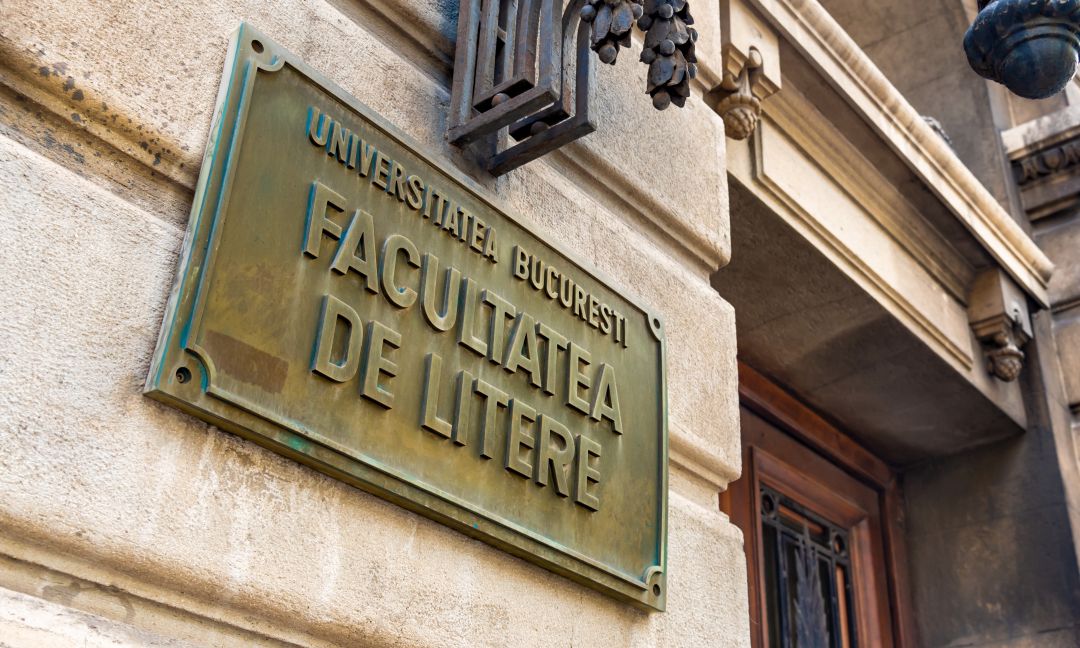
Este año he participado en un nuevo intercambio académico. Ha sido en la Universidad de Bucarest, donde he hablado sobre el impacto de la IA generativa en la industria de contenidos. En la Facultad de Letras, expliqué su funcionamiento, las oportunidades y los retos que plantea, y algunos ejemplos de uso, y propuse un debate sobre sus implicaciones éticas, sociales y legales, y su futuro rol en la comunicación y las industrias creativas.
23 abr 2024
Recién traducida al español, la norma ISO 24495-1 define principios esenciales para redactar documentos claros y contribuye así a mejorar la eficacia de las comunicaciones. Es un estándar internacional y versátil, aplicable a una amplia variedad de sectores y formatos. M.ª Ángeles García Asensio y yo subrayamos su relevancia en un artículo para el Anuario ThinkEPI, donde destacamos su potencial para hacer la información más accesible.
13 abr 2024
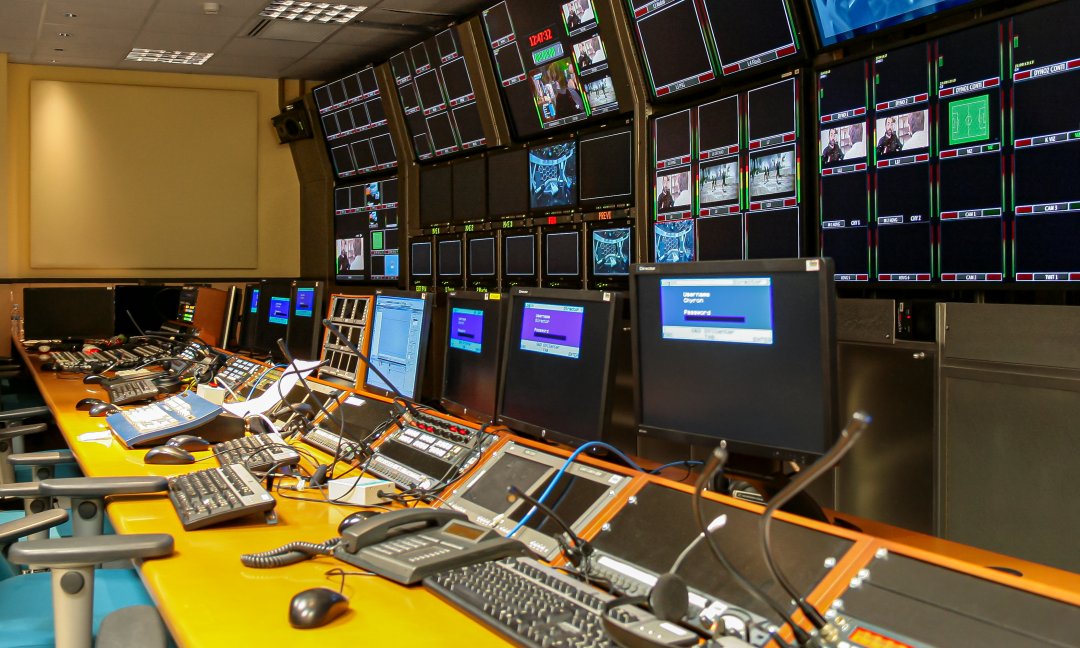
Siguiendo un hábito ya consolidado, mis alumnos de Documentación Audiovisual han visitado el Departamento de Documentación de Televisió de Catalunya (3Cat) y las demás instalaciones de la cadena. En esta excursión hemos podido ver en funcionamiento el moderno sistema de tratamiento documental de las imágenes y hemos profundizado en la crucial tarea de observar y respetar los derechos asociados a los diversos materiales.
22 mar 2024
A través del Instituto Asturiano de Administración Pública, he tenido la ocasión de impartir, junto con las lingüistas M.ª Ángeles García Asensio e Irene Yúfera, el curso «Desarrollo de competencias en comunicación administrativa clara». Dirigido al personal de la Consejería de Derechos Sociales y Bienestar, esta formación se ha centrado en fortalecer las habilidades para una comunicación más clara y efectiva con la ciudadanía.
7 mar 2024
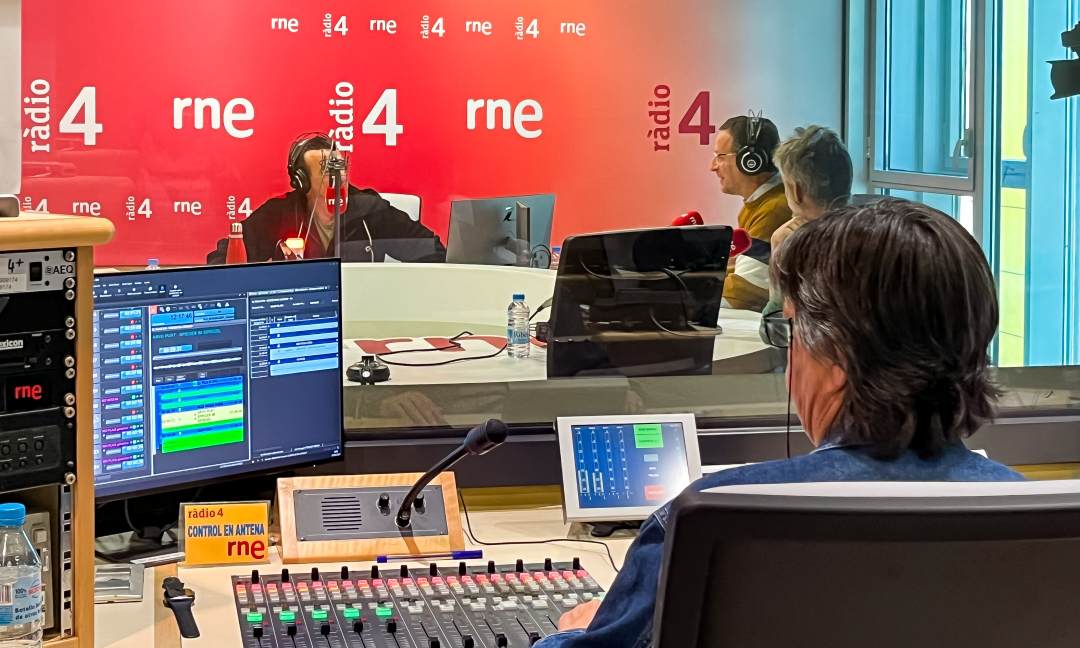
¿Qué desafíos plantea la inteligencia artificial (IA) en la educación? Esta es la pregunta que se ha debatido en el programa El pla B, de Ràdio 4, en el que he tenido la ocasión de participar. Durante la tertulia, he resaltado la conveniencia de incluir la IA en los currículos y en las evaluaciones, y de aprovechar sus ventajas y limitaciones para el aprendizaje, abogando por una visión crítica y ética de esta tecnología.
24 feb 2024
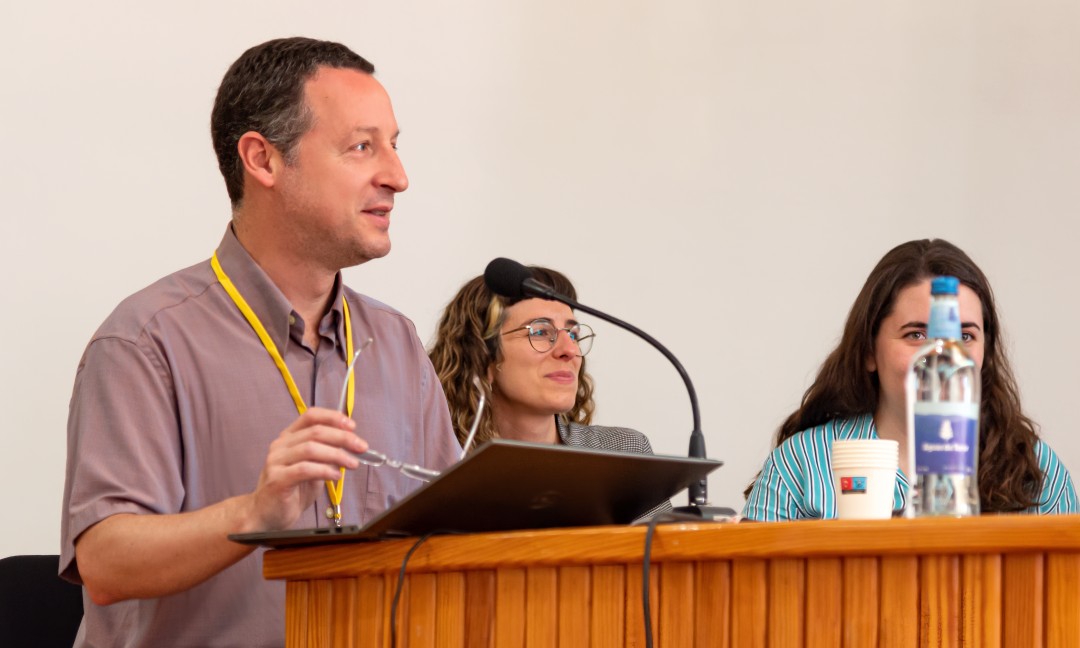
El Congreso H es un evento anual que reúne a investigadores de la comunicación y del sector audiovisual. En su 4ª edición, he tenido el honor de colaborar como miembro de la dirección académica, en la vicedirección de una línea temática: la sección «Ecosistemas digitales y redes sociales», sobre los retos y las oportunidades que plantean los nuevos formatos y plataformas digitales para la comunicación y el periodismo.
30 ene 2024
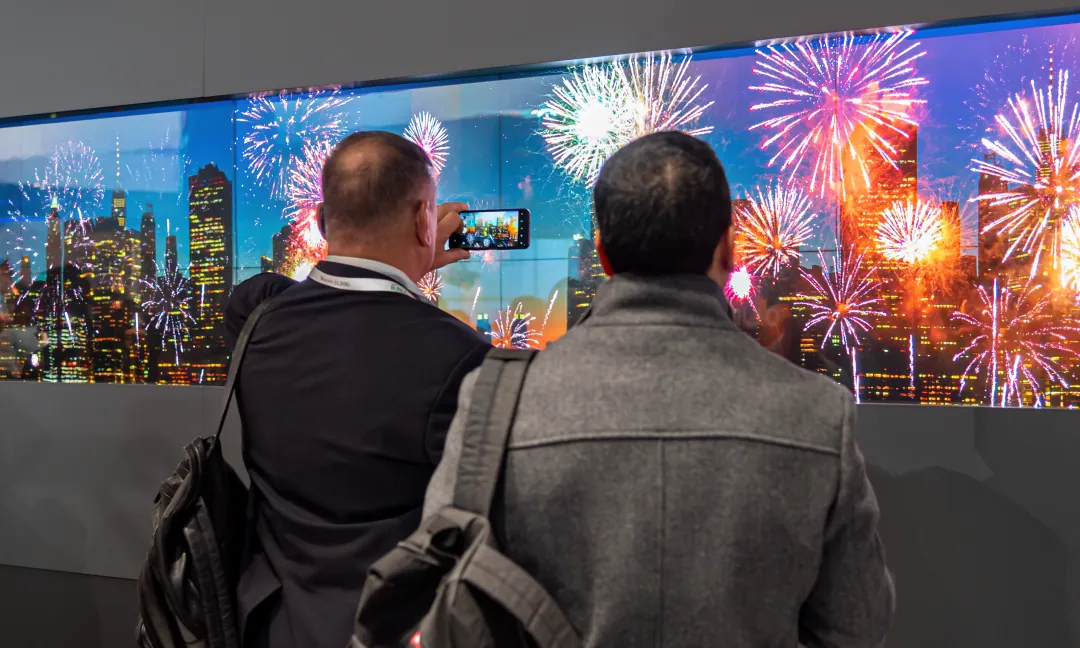
Desde la Facultad de Información y Medios Audiovisuales, un grupo de alumnos, titulados y docentes hemos asistido a Integrated Systems Europe 2024, la feria más importante del mundo en tecnología audiovisual, que este año celebra su 20ª edición. Allí hemos podido ver las novedades más sorprendentes y vanguardistas del sector, presentadas por las compañías más destacadas en integración de sistemas.

28 nov 2023
He participado en una jornada de Clarivate sobre inteligencia artificial (IA) y nuevas tendencias de evaluación en el ecosistema académico. Mi intervención se centró en explicar cómo la IA transforma la publicación y difusión de la investigación científica. A continuación, el personal de Clarivate presentó soluciones de próxima aparición en Web of Science y un libro blanco de buenas prácticas en la evaluación de la investigación.
16 nov 2023
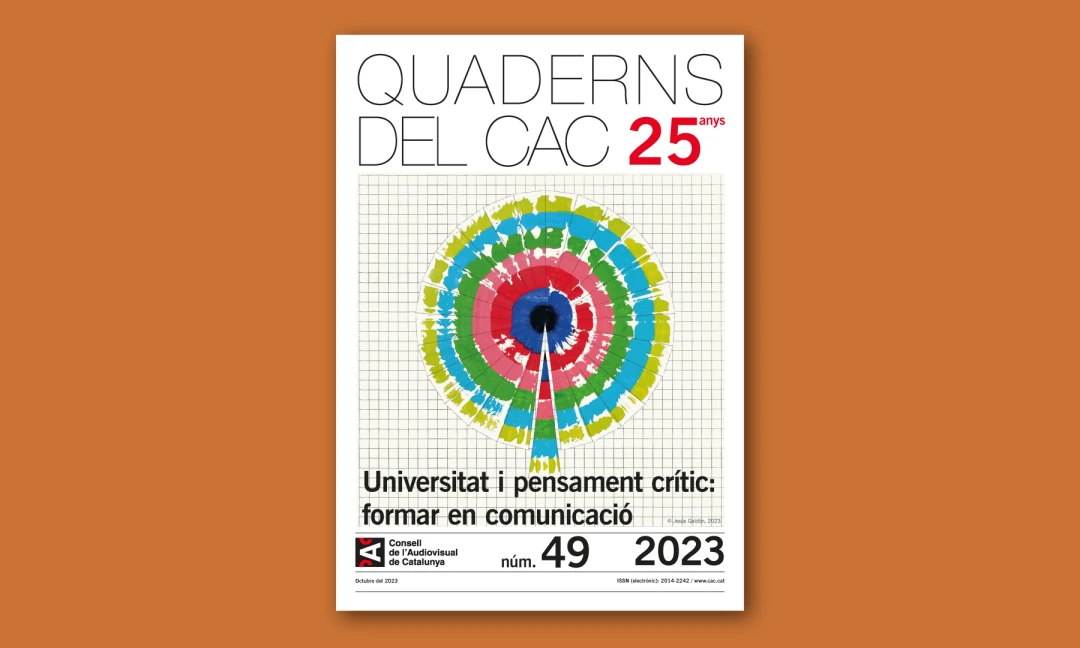
Con motivo de su 25º aniversario, Quaderns del CAC ha presentado en el Parlament de Catalunya su último número, que aborda el pensamiento crítico en la formación universitaria. Lydia Sánchez y yo hemos contribuido a este monográfico con un artículo sobre los retos de fomentar el pensamiento crítico en los grados de Comunicación Audiovisual. El acto ha contado con la presencia de Miquel Térmens, que ha participado en una mesa redonda sobre la responsabilidad social de la universidad.
7 nov 2023
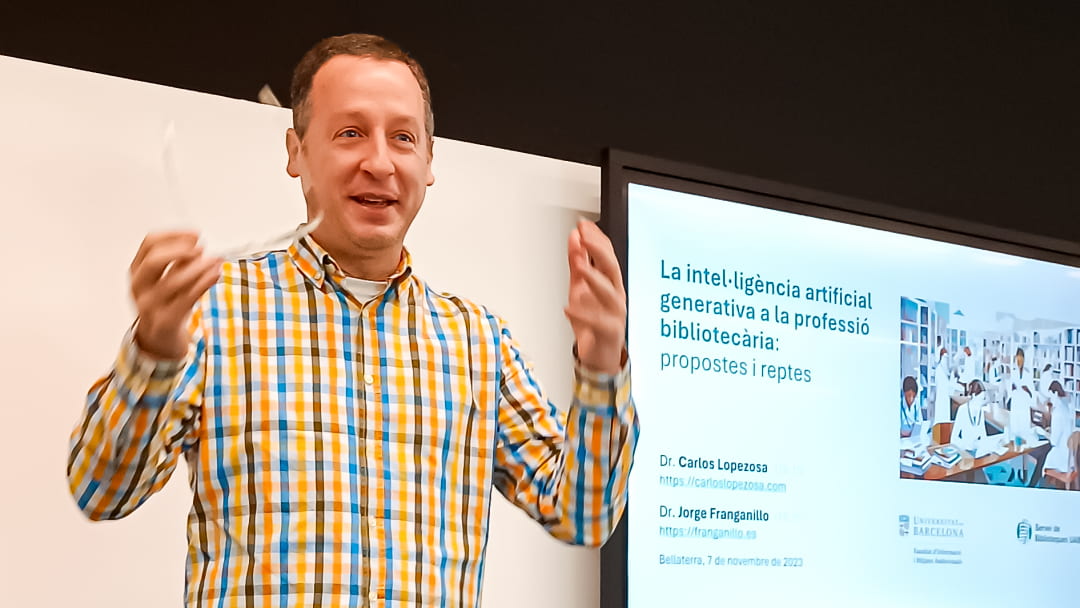
El Servicio de Bibliotecas de la Universitat Autònoma de Barcelona ha celebrado la jornada «Inteligencia artificial y su impacto en la docencia y en las bibliotecas», en la que he participado, junto con Carlos Lopezosa, para mostrar cómo la inteligencia artificial puede mejorar la labor de las bibliotecas universitarias y ofrecer nuevas oportunidades y soluciones para el público usuario.
20 oct 2023
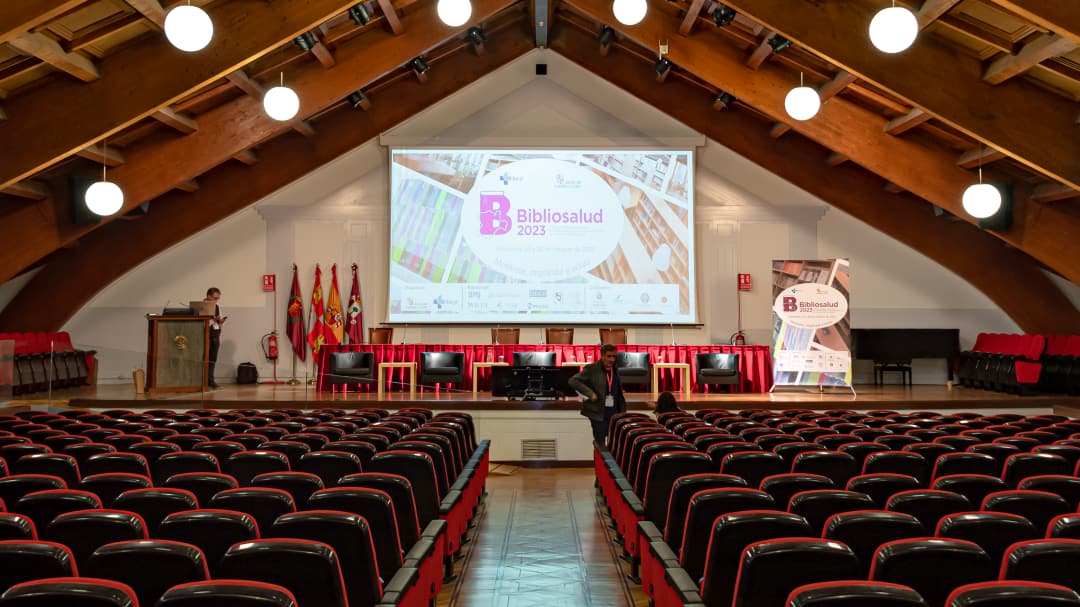
¿Qué beneficios puede aportar la inteligencia artificial generativa a las bibliotecas y a los profesionales de la salud? ¿Cuál es el futuro de los buscadores? He tratado de responder a estas preguntas en las XVII Jornadas Nacionales de Información y Documentación en Ciencias de la Salud (Bibliosalud 2023), junto con Ernesto Barrera, Nicolás Robinson y Julio Alonso Arévalo. El debate contó con la participación activa del público, que compartió sus opiniones, dudas y propuestas.
28 sep 2023
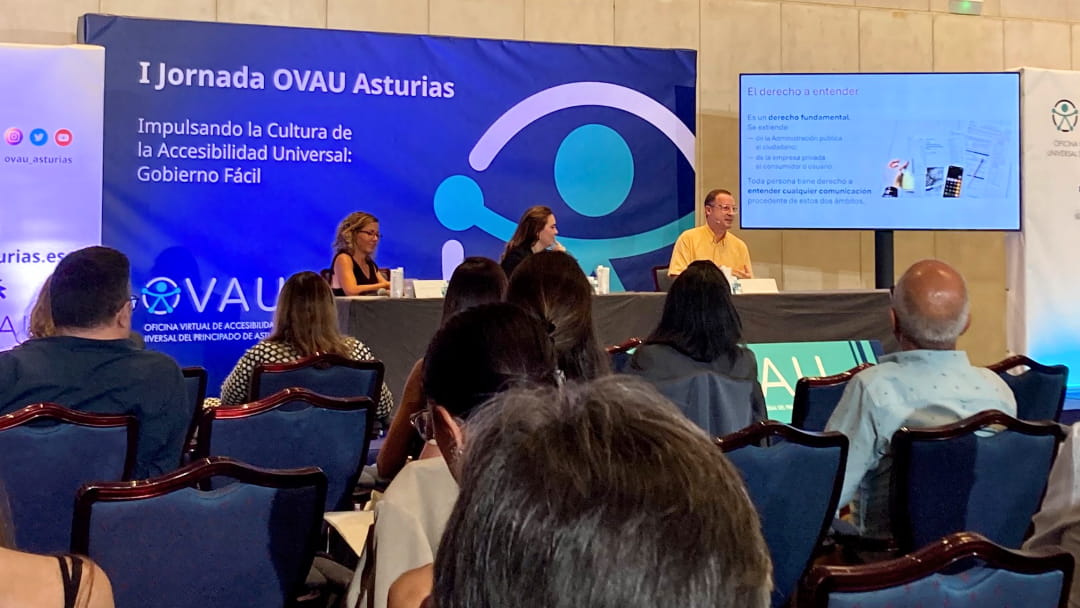
He tenido el placer de participar en la I Jornada OVAU Asturias: impulsando la cultura de la accesibilidad universal. Este encuentro ha congregado a especialistas en políticas públicas, accesibilidad cognitiva, derecho a entender, lenguaje claro y gobierno fácil. En un panel sobre el derecho a entender y la comunicación clara he expuesto la necesidad de que las Administraciones usen un lenguaje comprensible para establecer con la ciudadanía una relación más igualitaria.
20 sep 2023
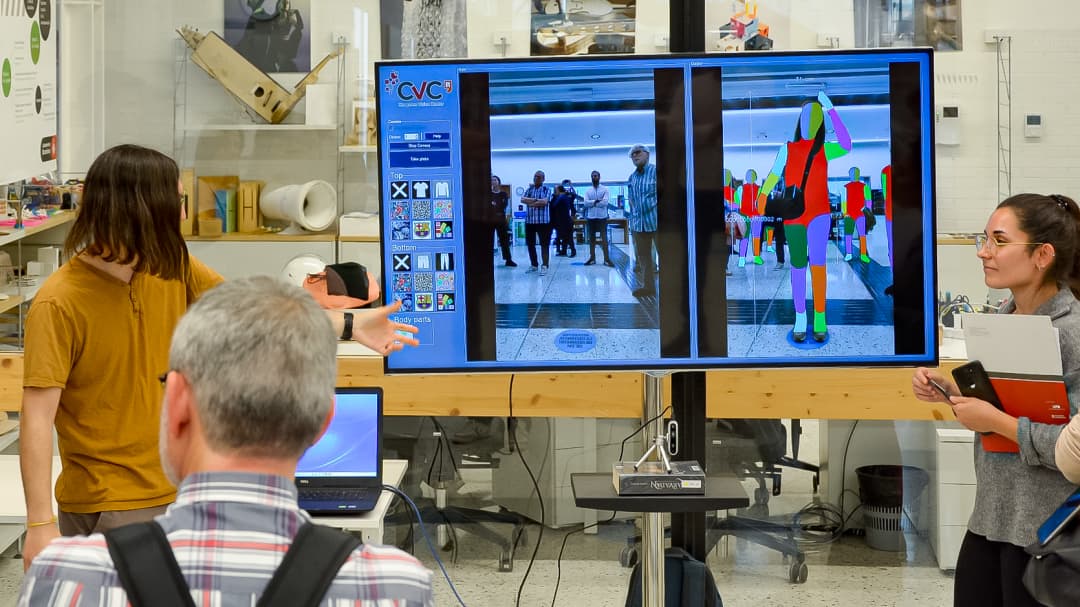
Los grandes modelos de lenguaje pueden cambiar la forma en que consultamos, procesamos y producimos información. Pero presentan retos técnicos y éticos, tales como sesgos, anomalías y falta de transparencia. El colectivo bibliotecario tiene un papel clave: puede apoyar el uso responsable de esta tecnología y promover la comprensión crítica de sus limitaciones. Y las bibliotecas pueden ofrecer espacios y recursos para experimentar con la IA generativa y fomentar su uso en la investigación científica.

13 sep 2023
En un nuevo artículo, publicado en Methaodos: revista de ciencias sociales analizo las ventajas y los desafíos de la inteligencia artificial generativa aplicada a la producción de contenidos mediáticos. A partir de numerosos ejemplos recientes, tales como textos automáticos, vídeos deepfake, voces clonadas e imágenes sintéticas, reflexiono sobre las implicaciones éticas, sociales y legales de los modelos generativos para la comunicación, la cultura y la democracia.
6 jul 2023
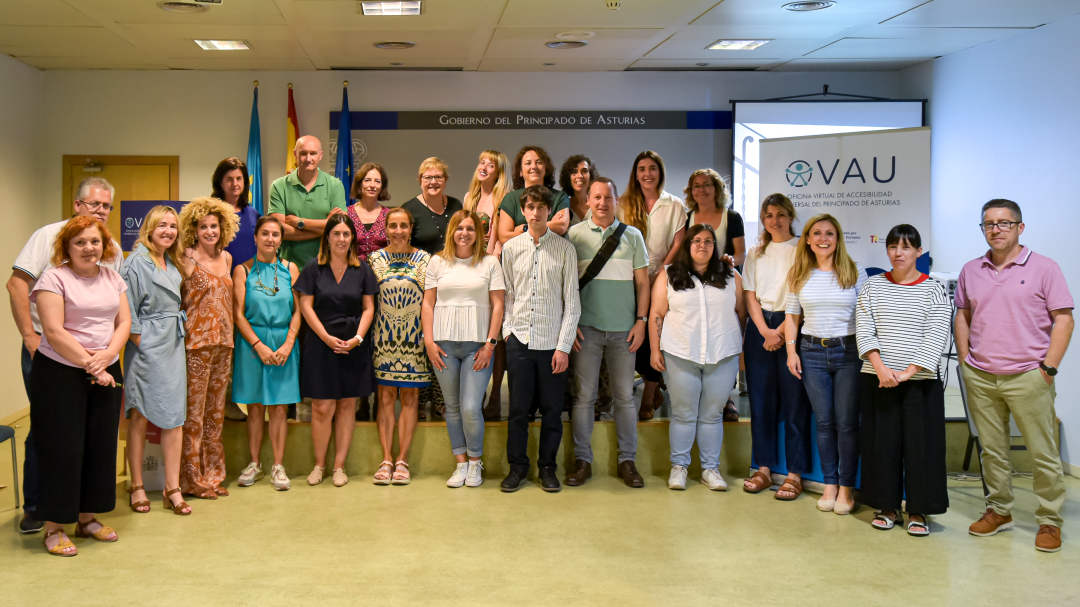
Cuatro profesores de la Universidad de Barcelona hemos impartido unas jornadas de formación y sensibilización en comunicación administrativa clara al personal de la Consejería de Derechos Sociales y Bienestar de Asturias. Hemos ofrecido principios y métodos para mejorar el portal SocialAsturias, y han sido una oportunidad para motivar al público asistente a promover una comunicación más transparente y capacitarlo como agente de comunicación clara.
5 jul 2023
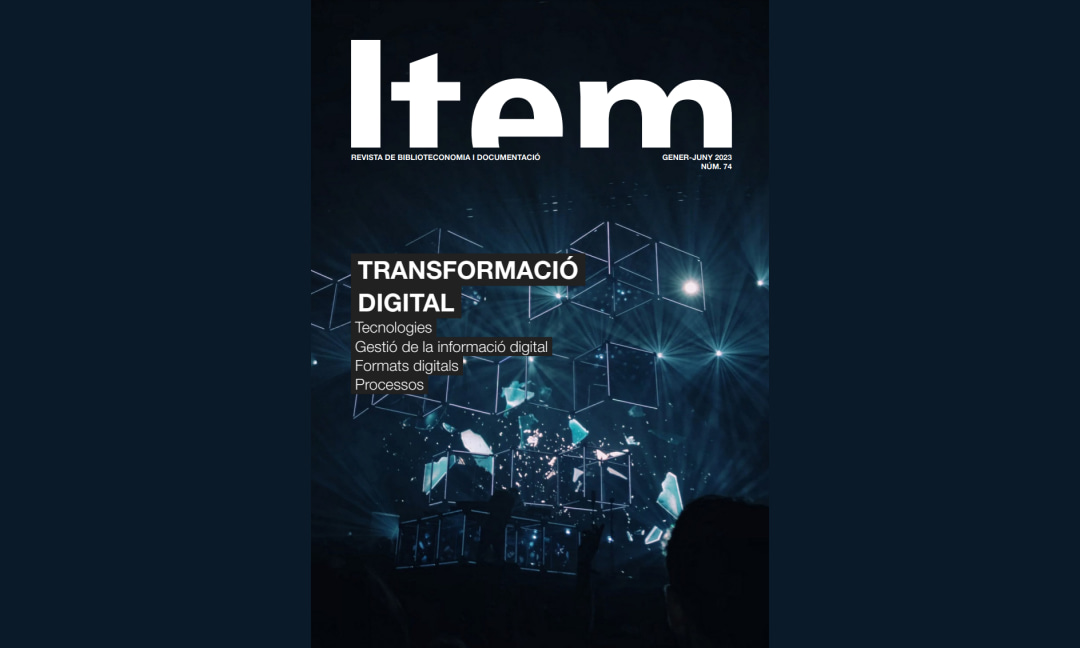
La transformación digital es el tema central del nuevo número de la revista Ítem, en el que he contribuido con un artículo sobre la importancia de gestionar adecuadamente los formatos digitales en una organización. Esta competencia es esencial para los profesionales de la información, ya que implica saber tomar decisiones bien fundamentadas sobre los metadatos, la nomenclatura de ficheros y la estructura de las colecciones digitales.
24 may 2023
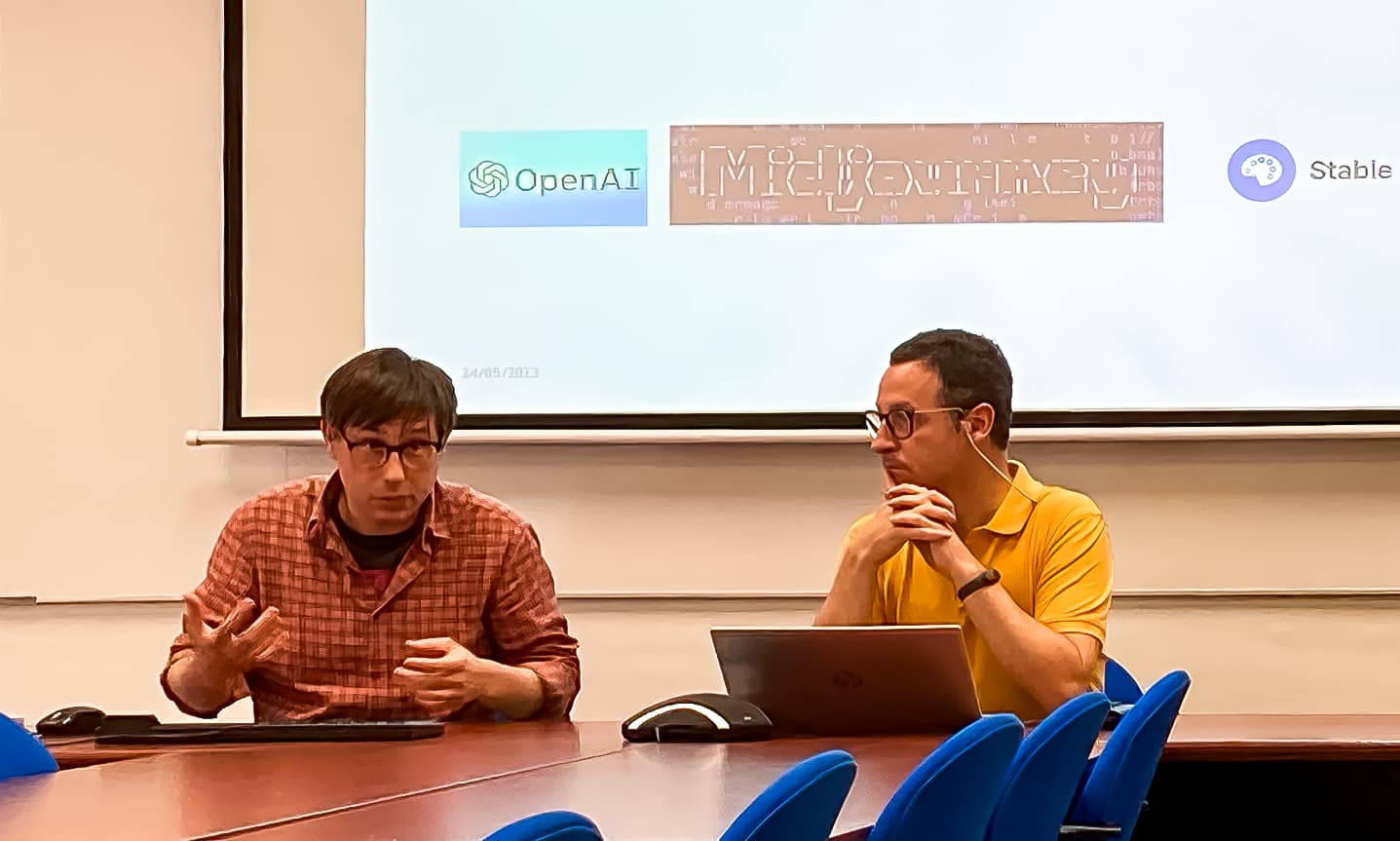
En el marco del programa «Els dimecres del CRICC» he compartido con Carlos Lopezosa un seminario en el que hemos presentado los resultados de dos estudios sobre inteligencia artificial en el ámbito de la comunicación. Por mi parte, he analizado el impacto de los modelos generativos en la creación de contenidos mediáticos y las implicaciones de esta tecnología para la propiedad intelectual, la veracidad informativa, la identidad personal y la creatividad humana.

5 may 2023
El Organismo de Gestión Tributaria de la Diputación de Barcelona y la Cátedra UB DIBA de Comunicación Clara Aplicada a las Administraciones Públicas han organizado las jornadas formativas El derecho a entender: por qué es necesario que las Administraciones públicas se dirijan de manera clara a la ciudadanía. He participado con una ponencia en la que he ofrecido consejos para diseñar sedes web claras y accesibles, y favorecer así el cumplimiento de obligaciones tributarias.
29 mar 2023
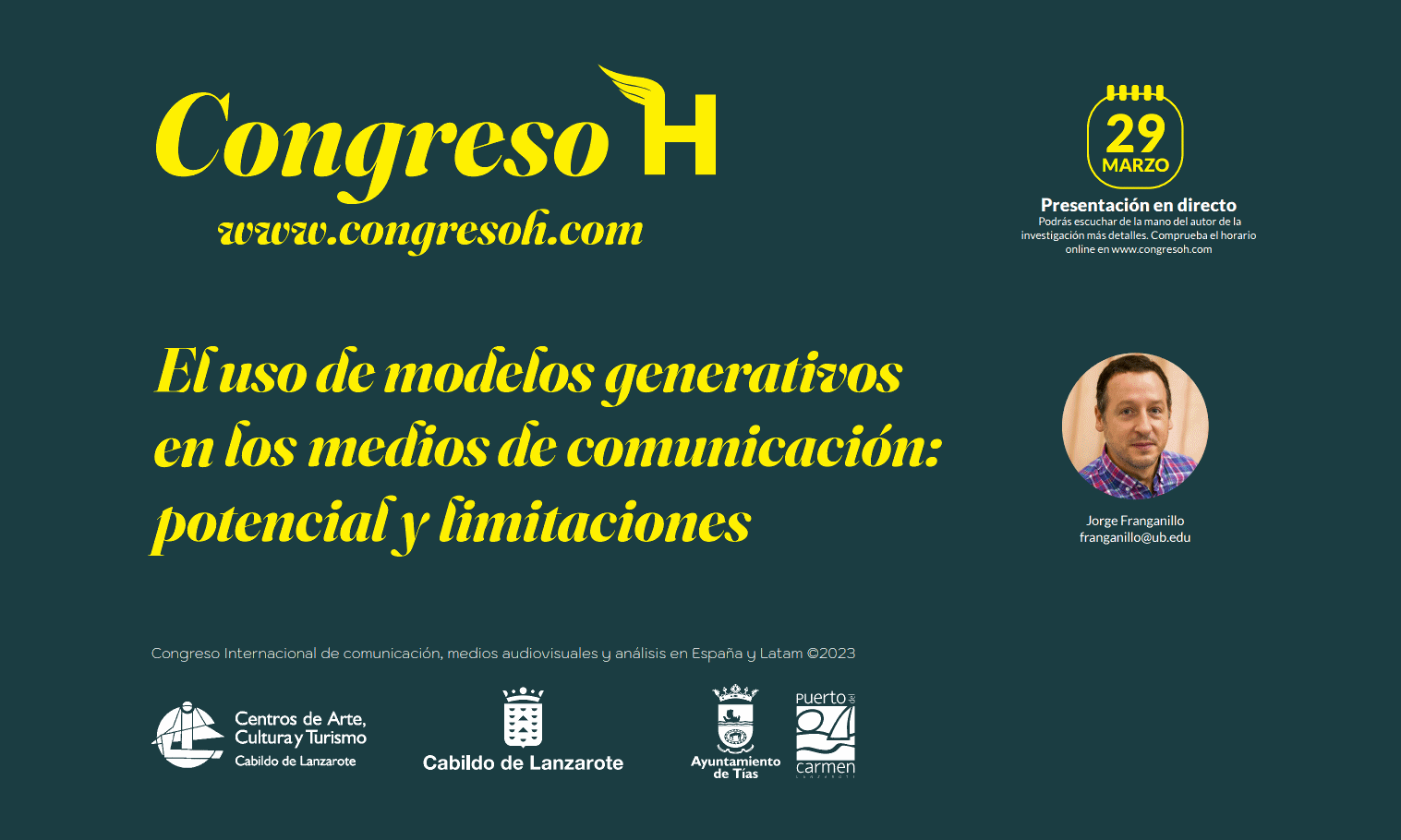
He presentado en el III Congreso Internacional de Comunicación y Medios Audiovisuales en España y Latinoamérica las conclusiones de un estudio exploratorio sobre las ventajas prácticas y los dilemas éticos y legales que plantea la creación de contenido mediante inteligencia artificial en los medios de comunicación. Hay aún incógnitas sobre cómo hacer un uso responsable de los modelos generativos y cómo combatir las nuevas formas de desinformación que propician.

6 mar 2023
Turín me esperaba con los brazos abiertos. Así me sentí cuando llegué a esta ciudad que me ha sorprendido por su belleza, su cultura y su gastronomía. Aprovechando unos días libres, decidí visitar esta joya de Italia y descubrir sus monumentos más emblemáticos, sus mercados de antigüedades, sus librerías de segunda mano y sus deliciosos platos típicos. Turín es una ciudad que enamora desde el primer momento y que le deja a uno con ganas de volver.

1 feb 2023
Un grupo de estudiantes, graduados y profesores de la Facultad de Información y Medios Audiovisuales hemos asistido a Integrated Systems Europe 2023, la mayor feria mundial del sector audiovisual. Este evento reúne a las empresas líderes en integración de sistemas, que exponen las últimas innovaciones del sector, algunas tan asombrosas y avanzadas que parecen salidas de una película de ciencia ficción.
26 ene 2023
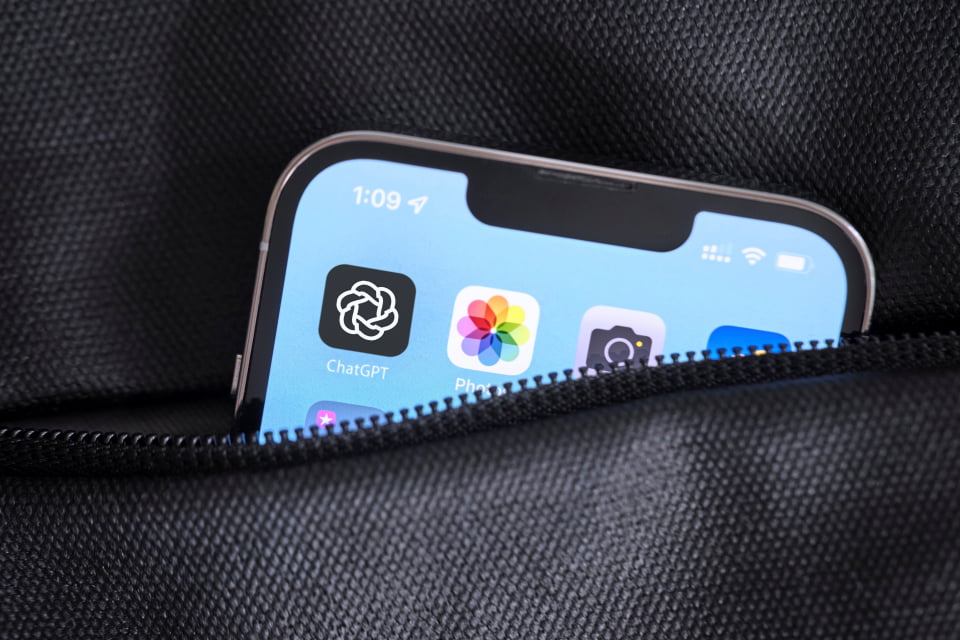
Ponemos a prueba ChatGPT, el chatbot basado en el modelo de lenguaje GPT, que destaca por su capacidad para generar texto coherente y natural. En un artículo divulgativo, en coautoría con Javier Guallar, analizamos sus limitaciones y emitimos el veredicto: la inteligencia artificial vale para situaciones que admiten cierto margen de error, pero no para cuestiones críticas, tales como un trabajo científico o una consulta médica, legal o financiera.
12 dic 2022
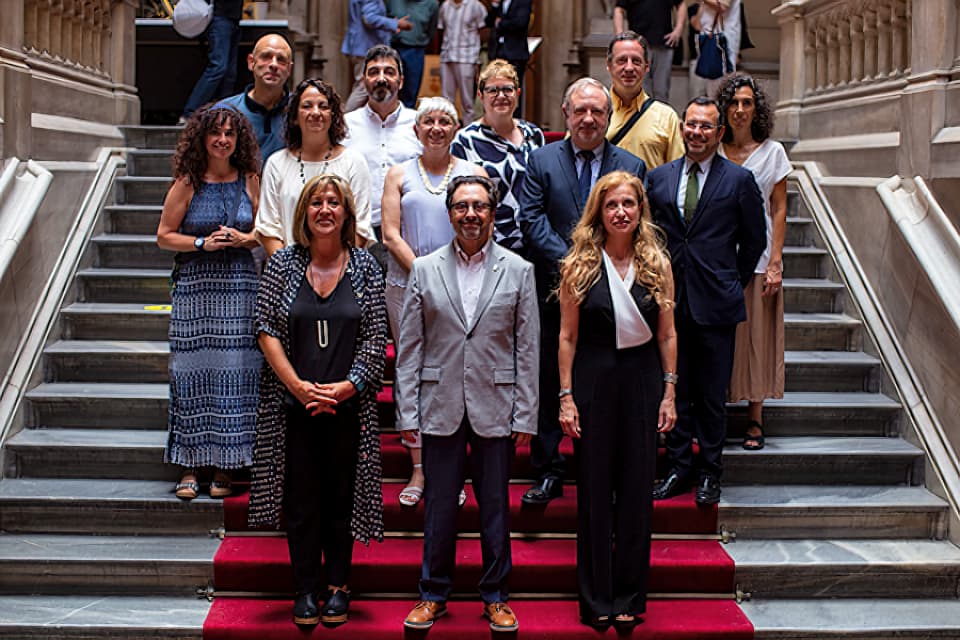
La Diputación de Barcelona y la Universidad de Barcelona han firmado un acuerdo para crear la Cátedra UB DIBA de Comunicación Clara Aplicada a la Administración. Esta iniciativa, en la que colaboro como investigador agregado, nace con la voluntad de lograr que la información y los documentos públicos estén diseñados y redactados de forma clara e inequívoca para que la ciudadanía ejerza plenamente sus derechos.
25 nov 2022
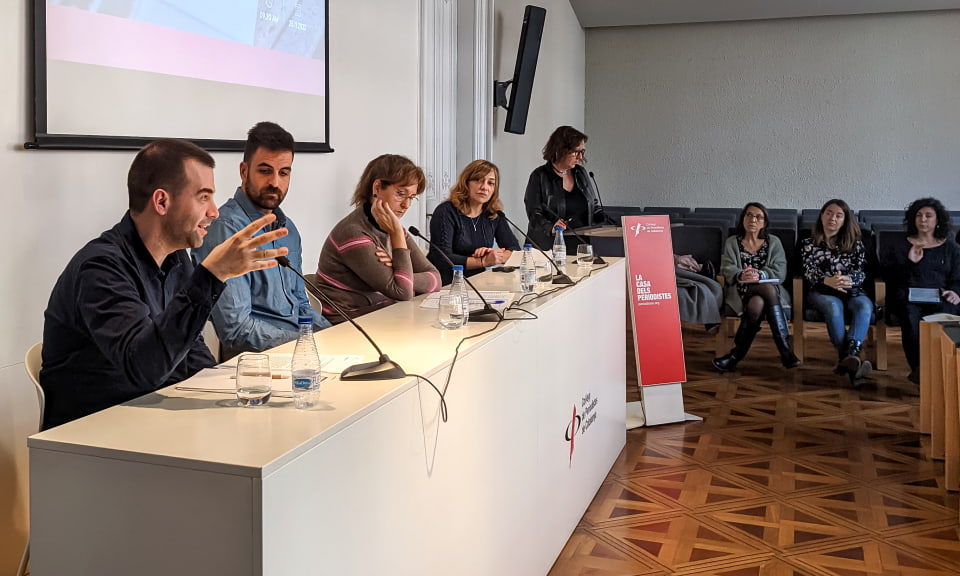
He tenido el honor de participar en la II Jornada de Ética Periodística que organizan el Col·legi de Periodistes de Catalunya y el Consell de la Informació de Catalunya. En un bloque dedicado a la inteligencia artificial, he examinado las dudas éticas y legales que suscita la síntesis generativa en varios ámbitos del periodismo escrito y audiovisual. En otro bloque, sobre desinformación, miembros del proyecto Media4Teach hemos explicado nuestra línea de investigación sobre información engañosa y pensamiento crítico.